Nude Celeb Scenes: Scene One: the Doorway in Glasshouse

Key takeaways
- Light does the heavy lifting before skin does
- Blocking sells consent better than dialogue
- The best reveal is a reaction, not a pose
Nude Celeb Scenes That Earn Their Reveal
There's a difference between a nude scene and a nude scene that works. One is skin on a schedule. The other is a small machine of light, blocking and nerve, built so the audience forgets it's watching a set. The scenes below are the second kind — broken down beat by beat, from the first hand on a hem to the last held breath after the cut.
None of it is about quantity. A body can be bare for two minutes and land like furniture. A wrist, a doorway, a bad overhead bulb can do more than a full frontal if the room is staged right. So we're walking the floor: three scenes, three rooms, three very different ways to get somebody undressed without losing the pulse.
Scene One: The Doorway in Glasshouse
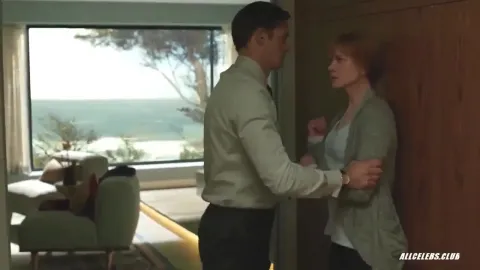
Glasshouse opens on Mara Voss in a hallway the width of a coffin, Dane Kessler two steps behind her, both of them already breathing wrong. The camera holds at chest height — no wide establishing shot, no music. She turns, backs into the doorframe, and pulls the sweater over her head in one go. Her hair catches static. Her nipples tighten in the cold air of the hall and the lens doesn't chase them; it stays on her face, then drops slow to the collarbone, the small rise of her chest.
Kessler doesn't move. That's the whole trick. He asks with a look — chin up, hands loose at his sides — and she answers by reaching for his belt. Consent is physical here, not spoken: her fingers on the buckle, his palm flat on her sternum, a nod. When he finally steps in, he cups her ribs first, thumbs under the curve of her breasts, and only then bends to her mouth. The doorframe squeaks. She laughs into the kiss and the scene keeps that laugh in.
Then the camera slides down her back to the dip above her ass, and she arches off the wood. You see the goosebumps. You see his hand span her hip. The reveal isn't the bare chest — it's the moment she stops hiding it, shoulders back, chin up, daring him to look. He does. She watches him look. That's the beat.
Scene Two: Low Tide, Kitchen Light
Low Tide goes the other way. Ines Calloway and Theo Marchetti in a kitchen at 6 a.m., flour on the counter, one lamp over the sink doing all the work. She's in his shirt and nothing else. He's in boxers. The scene starts mid-argument about nothing — the coffee, the neighbor's dog — and ends with her hoisting herself onto the counter and pulling him between her knees.
He unbuttons the shirt from the bottom. Slow. Each button gets a beat. When it falls open you get the full line of her — stomach, the underside of her breasts, the shadow between her thighs — lit amber and grainy. Calloway leans back on her palms and lets him look, then hooks a heel around his calf and drags him closer. "You gonna stand there?" she says. He isn't.
The sex is shot close and clumsy on purpose: his mouth on her throat, her hand in his hair, the shirt bunched at her elbows. When he lifts her off the counter her legs lock around his waist and the lamp throws both their shadows up the wall. No sheet, no careful angles. Just two people who forgot the flour was there.
Scene Three: The Blue Hour Stairwell
The Blue Hour stairwell scene is the quiet one, and it's the hardest to pull off. Rue Delacroix and Sam Okonjo, half-lit by a timer bulb that clicks off every forty seconds. She's already bare from the waist up when the scene opens, sitting on a step, and he's on the landing below, looking up at her like she's a bill he can't pay.
She stands. The bulb dies. When it clicks back she's closer, and his hands are on her waist, and the camera has moved in so tight that the stair rail cuts the frame. He kisses the corner of her jaw, then lower, mouth dragging down her sternum. She holds the rail behind her and tips her head back. The bulb dies again. You hear the wet sound of his mouth and her short breath in the dark, and when the light returns her hand is down the front of his jeans.
The nudity is partial and constant — her breasts, the flex of her stomach, his jeans shoved to mid-thigh — and the scene never lets the light settle long enough to pose. It's all timing. Every click is a new position, a new piece of skin, a new reason to lean in.
What the Camera Does After
What the camera does after the reveal matters more than the reveal. In Glasshouse it drifts back up to Mara's face and stays there while she's still pressed to the doorframe, flushed and grinning. In Low Tide it pulls wide so you see the mess — flour, kicked chair, both of them laughing. In The Blue Hour it holds on the dead bulb and lets the stairwell go dark on the sound of breathing.
That's the grammar. Skin gets you in the door; the reaction keeps you in the room. A scene that cuts away the second the clothes come off is a striptease with the good part missing. A scene that stays — on the tremor in a thigh, the hand that won't stop moving, the eye contact after — is the one people rewind.
Cutting Room Truths
Cutting-room truth: the best nude celeb scenes are edited for breath, not for skin. Trim a beat too early and the moment goes clinical. Hold a beat too long and it turns into a photo shoot. The three scenes here all live on the same rule — the body is never the punchline. The look is.
So when you watch one, watch the hands. Watch where the light falls and who moves first and who waits. That's where the work is. The rest is just a room, two people, and a door that doesn't quite close.
What makes a nude scene read as natural instead of staged?
Blocking and reaction. Give the actors a task — a door to close, a counter to lean on, a lamp that keeps dying — and let the undressing happen inside it. When hands have somewhere to go besides the body, the body stops looking posed.
How much does lighting matter in these scenes?
More than the undressing does. One practical lamp, a timed bulb, a hallway glow — hard direction makes skin read like skin. Flat overhead light flattens everything. The rule is simple: light the face, let the body fall into shadow, then bring it back.
Why do some reveals land flat?
Usually because the camera cuts to the body and forgets the face, or because nobody in the scene is actually looking at anybody. A reveal needs a witness. If both actors are posing for the lens instead of each other, the audience feels the gap.