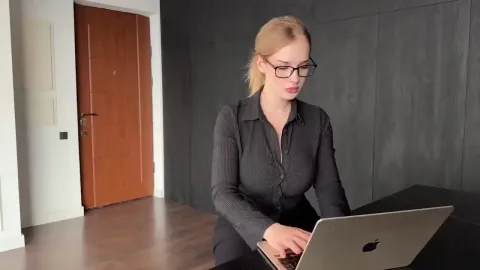
Lilly Krug Nude: Setting the Room Before Anyone Undresses
Key takeaways
- The best frames are built on light first, skin second, styling last.
- Pose work is pacing: small shifts beat big dramatic shapes.
- The edit decides the mood — restraint reads as confidence.
Lilly Krug Nude: The Opening Frame
You can tell a good nude shoot from the first frame, and it has almost nothing to do with how much skin is on the page. It is about whether the room feels warm. The opening shot in a set like this is never the wildest one — it is the one that tells you the model is in on the joke, that she knows exactly what the camera is doing and she is fine with it. That is the whole game with Lilly Krug nude work: the clothes come off, sure, but the attitude stays on the entire time. She shoots like someone who has already decided how the day is going to go, and the crew just gets to keep up.
So let us walk it. Scene by scene, the way you would walk through a set on the day — starting with the room, then the light, then the clothes that barely exist, then the poses, then the edit that pulls it all together or lets it fall apart. No myth-making. Just the mechanics of why certain frames stick to your ribs and others slide right off.
Setting the Room Before Anyone Undresses
Every shoot like this lives or dies in the first twenty minutes, and those twenty minutes are boring on purpose. Sandbags get kicked into place. A backdrop gets pulled taut and taped at the corners so it will not breathe when she moves. Somebody walks the floor with a light meter and mutters numbers. The model is off to the side in an oversized shirt and slides, drinking something cold, watching the whole thing get built for her.
That dead time matters. It is where the trust gets laid down. By the time the shirt comes off, nobody in the room is staring — they are working. She can feel that. You can see it in the shoulders: they drop, the jaw unclenches, the hands stop fidgeting with the hem of nothing. A tense model photographs like a hostage. A settled one photographs like she owns the lease.
Lighting That Does the Heavy Lifting
Here is the unglamorous truth: nude photography is a lighting problem before it is anything else. Skin is reflective, unforgiving and honest — it shows every hard shadow and every lazy fill. So the good setups are soft and close: a big diffused source just off the shoulder, a white bounce card low to lift the underside of the chin and the collarbone, a strip light raking across the ribs to pull shape out of flatness.
The trick is a single hard edge in all that softness. One bare bulb, one unmodified kicker, something that carves a line down the hip or the spine and tells the eye where the body turns. Without it, everything melts into a puddle of grey. With it, the frame has a spine of its own. She reads that light fast — a half-step left, a tilt of the chin, and the edge lands exactly where it should. That is not luck. That is a model who has done the homework.
Styling: Less Is a Whole Attitude
There is a version of this shoot that goes wrong: too many accessories, a heel that fights the floor, a necklace that catches the key light and blows out. The stronger move is almost always restraint. Bare feet. One thin chain. Maybe a blazer worn open for the first three frames and then gone, dropped off the shoulder and left on the apple box like it lost an argument.
The styling that survives a nude set is the styling you forget is there. Hair gets pushed back with fingers instead of sprayed into a helmet. Makeup stays close to the skin — a sheen on the cheekbone, a soft liner, a lip that looks bitten rather than painted. Anything more starts competing with the body, and the body is the story. When she does keep a piece of clothing on, it is for contrast, not coverage: an open shirt frames the torso, a high waistband cuts the hip and gives the eye a line to follow.
Pose Work and Camera Distance
Nobody good holds a pose. They cycle through micro-shifts — a breath, a roll of the shoulder, weight sliding from one foot to the other — and the camera catches the in-between, which is where the real frames live. Big dramatic shapes look great on a mood board and stiff on a person. Small movements look like nothing in the room and like everything on the back of the screen.
Distance does the rest. Wide and low makes the room part of the picture, gives her somewhere to be, lets the floor and the backdrop do the framing. Tight and high is intimate to the point of rude, all collarbone and eyes. The set swings between the two on purpose, because a run of nothing but close-ups flattens out. You need the wide shot as a palate cleanser, a chance to breathe before the next tight one lands.
The Edit and the Reveal
Then the shoot is over, the card comes out, and the real decisions start. The edit on a set like this is a mood test more than a retouch job. Clean the stray hairs, lift the shadow under the eyes, leave the freckles and the small scar and the goosebumps alone. Over-smooth it and you get plastic. Leave it raw and you get a person.
Sequencing is the last piece. Open wide and warm, tighten as it goes, save the boldest frame for the back third when the reader has already bought in. And then stop — do not add five more just because they exist. A set that ends one frame early reads as confidence. A set that dribbles on reads as a folder someone forgot to close.
Why These Frames Keep Landing
Strip it back and the appeal is simple: the light is soft, the styling is quiet, the poses are small, and the woman in the middle of it never once looks like she wants to be somewhere else. That combination is harder to hit than it sounds. Plenty of shoots have two of the four and fall on their face.
The rest is her. She gives the camera a flat, level look that says she has already seen the contact sheet and knows which frame you are going to keep. That is the thing that makes a set rewatchable — not skin, not lighting diagrams, but the sense that the person in the picture is having a better time than you are. Everything else is just sandbags and tape.
What actually makes a nude photoshoot look good instead of cheap?
Soft, close lighting with one hard accent, restrained styling and small movements instead of big posed shapes. The model needs to look settled, not staged.
How long does a set like this usually take to shoot?
Setup eats most of the day — backdrop, sandbags, light tests. Actual shooting is a short burst once the room is warm and the model has found her rhythm.
How much retouching should a nude edit get?
Enough to clean up strays and shadows, not enough to erase texture. Keep the freckles, keep the goosebumps, and cut the set one frame earlier than feels comfortable.