Celeb Nude Scenes: Lighting, Framing, and the Camera's Gaze
Key takeaways
- A nude scene lives or dies on lighting and timing.
- The best moments are earned by the story, not the trailer.
- Watch the hands and the breath, not just the body.
Celeb Nude Scenes: What Makes Them Hit
You know the beat. The door clicks shut, the lamp throws a soft cone of light across the sheets, and somebody's hand goes to the tie of a robe. That's the moment celeb nude scenes are built around — not the reveal itself, but the half-second before it, when the whole frame holds its breath and waits.
There's a whole spectrum of them, from the tasteful art-house fade to black to the full-frontal hold that refuses to cut. The street-level truth is that most are neither as bold as the hype nor as embarrassing as the cynics claim. They're craft, and craft can be judged.
It's a genre with its own grammar, and the cheap version is easy to spot: a hard cut, a strategic elbow, a soundtrack that swells too loud. The good ones don't flinch. They let the camera sit still and let skin be skin — a shoulder blade catching the light, a spine curving as a body turns, the small drag of fabric as it slides off. You feel the air in the room.
The Setup Before the Drop
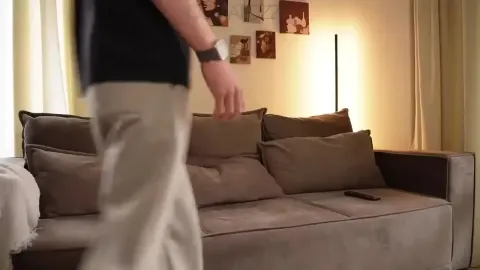
Take a scene that actually works. It opens wide: a rented apartment, blinds half open, city glow leaking in. Two people on opposite sides of the couch, talking about nothing, knees not quite touching. The director holds that shot longer than feels comfortable. Then the conversation dies out. One of them laughs at the silence, the laugh turns into a look, the look turns into a hand on a thigh. The robe comes off slow, and the camera doesn't rush to catch it. That patience is the whole trick.
The setup does the heavy lifting. Dress the room right — rumpled bedding, a glass with a fingerprint on it, a jacket over the back of a chair — and the nudity reads as lived-in instead of staged. Bare set, harsh light, and you've got a mannequin. You can tell in the first ten seconds whether the director trusts the audience. If the camera jumps to the nipple and cuts away, they don't. If it stays on the face while the robe drops, they do — because the face is where the fear and the want live.
Lighting, Framing, and the Camera's Gaze
A practical lamp beats a lighting rig every time. The warm pool from a bedside lamp carves a body out of the dark: highlights on a collarbone, a soft falloff down the ribs, the rest of the room going muddy. Windows are the other tool — grey morning light through a gap in the curtains, that flat honest wash that shows everything and flatters nothing. Good scenes mix the two: warm lamp, cold window, skin caught between them.
Shadows are a tool, not a failure. A sheet pulled to the waist, a forearm across the chest, the dark under a jaw — those gaps are what make the eye work.
Framing matters just as much. A locked-off wide lets you see two bodies move together, the whole geography of it, the sheets twisting. A slow push-in gets intimate, but push too hard and you're just staring at a hip. The best work uses both — wide to establish, close to land the emotion, then back out before it gets claustrophobic. Keep the camera at chest height. Low angles make everyone look like a monument; high angles make them look small.
Sound and Silence Do the Heavy Lifting
Sound sells it harder than picture. The rustle of a duvet, a sharp inhale, the wet click of a kiss, the creak of a bed frame keeping time. No score, or a score so low it's basically room tone. When a scene goes silent you hear the bodies, and that's what makes the back of your neck go warm.
Room tone is underrated. The hum of a fridge, traffic three floors down, rain on glass — that bed of noise makes the silence inside the room feel real.
Watch the hands. Good performers act with them — a palm flat on a sternum, fingers spread, a thumb tracing a hip bone like they're memorizing it. Bad ones keep their hands busy in the air like they're conducting an orchestra. The breath is the other tell: short, ragged, catching on a word. If you can hear somebody breathing, the scene is doing its job.
When the Scene Feels Earned
A nude scene has to be earned. If the story hasn't put weight on the two people, the reveal is just anatomy. The ones that stick are the ones where undressing costs something — a confession right before it, a fight still hanging in the air, a character nobody has ever seen naked. Stakes turn skin into a story.
It helps when the nudity isn't symmetrical. One person bare and the other still half-dressed is more interesting than two mannequins. It gives the eye somewhere to travel and the scene some tension. A body that looks real — soft, scarred, a bit awkward — beats a gym body every time.
The worst version is the bolt-on: character walks in, drops a towel, says a line, leaves. The best version leaves you with an image you can't shake — a hand braced on a headboard, a mouth against a shoulder, the exact second somebody decides not to be shy anymore.
How to Watch Without the Hype
Skip the trailer. Trailers cut the nude scene down to a flash and a bass drop, and you lose the buildup that makes it work. Watch the whole sequence, from the first wide shot to the last. Don't scrub.
Watch it once for the story and once for the craft: where the light falls, where the camera stops, when the sound drops out. Turn the volume up, kill the notifications, dim the room.
And don't fast-forward the talky bit before the clothes come off. That's where the scene is actually living. The nudity is the punchline; the setup is the joke.
How do I find a good nude scene without spoilers?
Watch the film cold and let the sequence build. Trailers and clip compilations strip out the setup, which is where the scene actually works. If you must preview, watch a full minute around the moment, not a five-second flash.
Why do some nude scenes feel awkward?
Usually it's the edit — hard cuts, a score that swells too early, a camera that rushes the body. Awkward scenes also tend to skip the buildup, so the reveal lands before the audience has any reason to care.
What should I look for in a well-shot scene?
Practical light, a camera that holds still, real room sound, and hands that are doing something. If the frame gives the eye somewhere to travel and the breath is audible, the scene is working.