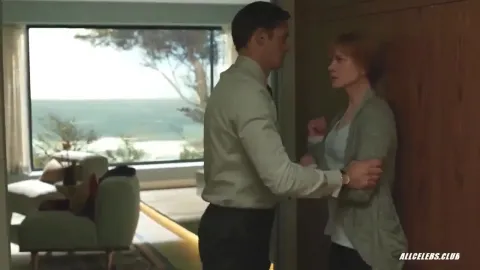
Abigail Spencer Nudes: the Mad Men Bedroom Scene
Key takeaways
- Her baring moments lean tasteful, driven by story rather than shock
- Lighting and framing do as much work as the undressing itself
- The bedroom scenes read as character beats, not set pieces
Abigail Spencer Nudes: The Short Version
Let's get the lay of the land. Abigail Spencer isn't the kind of performer who rips her clothes off for the hell of it. When she bares skin on screen, it lands soft, deliberate, and usually wrapped in a story beat you actually care about. That's the whole game here. The nudity is never the point on its own — it's the punctuation at the end of a sentence the scene has been building for a while. So if you're hunting for the exact frames, this is the map: the bedroom, the morning after, the slow undress, and the way she carries all of it. No mythmaking, no inflated claims. Just the scenes that made people hit pause.
The Mad Men Bedroom Scene
Start where most people start, because Mad Men is where a lot of folks first clocked her. She plays Suzanne Farrell, and the show shoots her the way it shoots everything in that era — warm, amber, slightly grainy, like a memory somebody's been nursing too long. The bedroom scene is the one that gets clipped and reposted. Don's in the frame, she's in the frame, and the camera doesn't rush. Sheets pool at the waist. Her shoulders and back carry the whole composition. What sells it is the lack of performance in her body — she's not posing, she's just lying there like a real person who woke up in someone's life and isn't sure she should stay. Her hair's a mess, the lamp's too yellow, and the show lets the silence sit. That's the scene people remember, and it's remembered for the mood, not the acreage of skin.
Morning Light and Messy Sheets
The follow-through matters more than the first reveal. Watch how she plays the after. She's got this trick where she keeps the sheet high and lets one shoulder slip, and the frame does the rest. Morning light comes in flat and honest, no soft-focus cheat, and she squints into it like she's genuinely annoyed the day arrived. There's a stretch, a reach for something off the nightstand, a half-turn that gives the camera her back and a long line of spine. Nothing is staged to be a money shot. It reads like somebody's actual Sunday morning, and that's exactly why it works. She's comfortable in her own skin in a way that's hard to fake, and the camera picks it up. You never catch her checking where the lens is. That's the difference between an actor undressing and a model undressing.
Suits, Silk and the Slow Undress
Then there's the other flavor — the dressed-down-from-power version. Suits loves her in tailoring, all sharp lapels and cold confidence, so when the clothes start coming off the contrast does the heavy lifting. It's not a striptease, it's a decompression. A jacket goes over the back of a chair. A blouse gets unbuttoned one slow button at a time while the conversation keeps rolling, and neither person in the room stops talking. The lighting here is cool and blue, glass and city glow, and her silhouette gets carved out of it. You notice the small stuff: the shift of weight from one hip to the other, the way she steps out of a heel, the half-second where she decides whether to keep going. It's the least showy undressing imaginable and somehow the most charged, because the scene trusts you to lean in instead of grabbing you by the collar.
Red Carpet vs. On-Screen Nudity
Worth separating the two, because people blur them. On a red carpet she's a completely different animal — structured gowns, a lot of neckline and open back, hair sculpted, jaw set. That's styling, not nudity, and it's built for a hundred cameras firing at once. On screen she's got the opposite job. She has to make her body look unremarkable in the best way, like it belongs to the character and not to a magazine. The result is that her actual nude work feels quieter than her photo-call work, which throws people off if they come in expecting gloss. Nothing is airbrushed. There's a real rib cage, real shoulders, real goosebumps when the room is cold. It's the kind of thing that makes a rewatch better, because you stop looking at the body and start looking at what she's doing with it.
Why the Restraint Works
Here's the honest read: she's never been the actor who goes full-frontal for headlines. Most of what you'll find is topless, implied, tastefully framed, and cut short by a camera move or a line of dialogue. Some viewers want more and say so. But the restraint is the point. It keeps her nude scenes from aging badly, and it keeps the focus on the performance. She's a character actor with a lead's face, and the body work follows the same logic — serve the story, then get out of the way. So go in expecting mood, texture, and a camera that lingers on a shoulder instead of a full figure. Give the scenes a second pass with the sound up. The breathing, the half-laughs, the way a line lands while she's pulling a sheet back over herself — that's where the real heat lives, and it's the part a screenshot can't give you.
Where can I find her most revealing scenes?
The Mad Men bedroom scenes are the ones most people point to, and the power-dressing shows give you the slow-undress version. Start with her guest arc on Mad Men and work outward from there.
Is it full nudity or mostly topless?
Mostly topless and implied. The camera tends to cut before anything becomes a full reveal, and the framing leans on shoulders, backs and sheets rather than a full figure.
What should I watch for in those scenes?
The lighting and the pacing. Warm, flat, unglamorous light and long takes are doing most of the work — put the sound up and watch how she handles the after, not just the reveal.